
Real-time vs. status-report project management
Published May 16, 2026
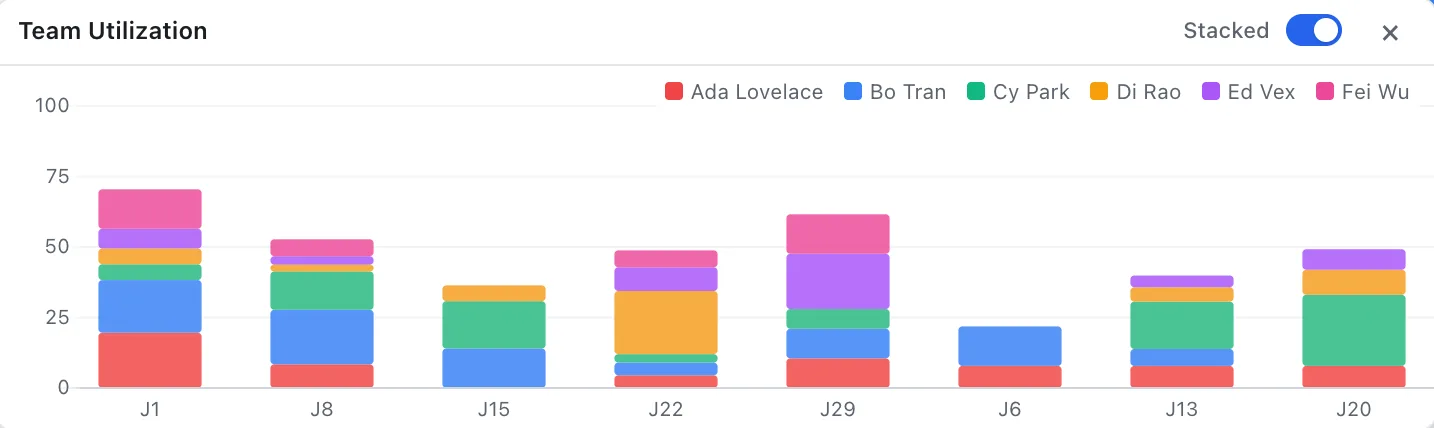
There are two ways to know the state of a project. You can report it, gather updates, reconcile them, and publish a snapshot every week. Or you can reflect it, keep one plan that’s always current, so the state is just… there, whenever you look.
The first is how most organizations work. The second is what “real-time” actually means, and it’s a quietly enormous difference.
The trouble with the status report
A weekly status report has a fatal property: it’s stale the moment it’s finished.
Think about the lifecycle. On Thursday, the PM pings everyone for updates. People reply with what they remember. The PM reconciles conflicting answers, formats a deck, and sends it Friday. By Monday, half of it is already wrong, and the next gather-reconcile-publish cycle won’t run for four more days.
In the gap between reports, decisions get made on information that’s up to a week old. Financial and resource signals arrive too late to course-correct. The report isn’t lying; it’s just always behind.
What “real-time” buys you
When the plan reflects reality continuously, three things change:
- No reconciliation tax. Nobody spends Friday turning scattered updates into a snapshot. The snapshot is the plan.
- Signals arrive early. You see a teammate creeping toward overload this week, not in next Friday’s deck, while you can still move a task.
- One version of the truth. There’s no “the report says X but actually Y.” The plan is the report.
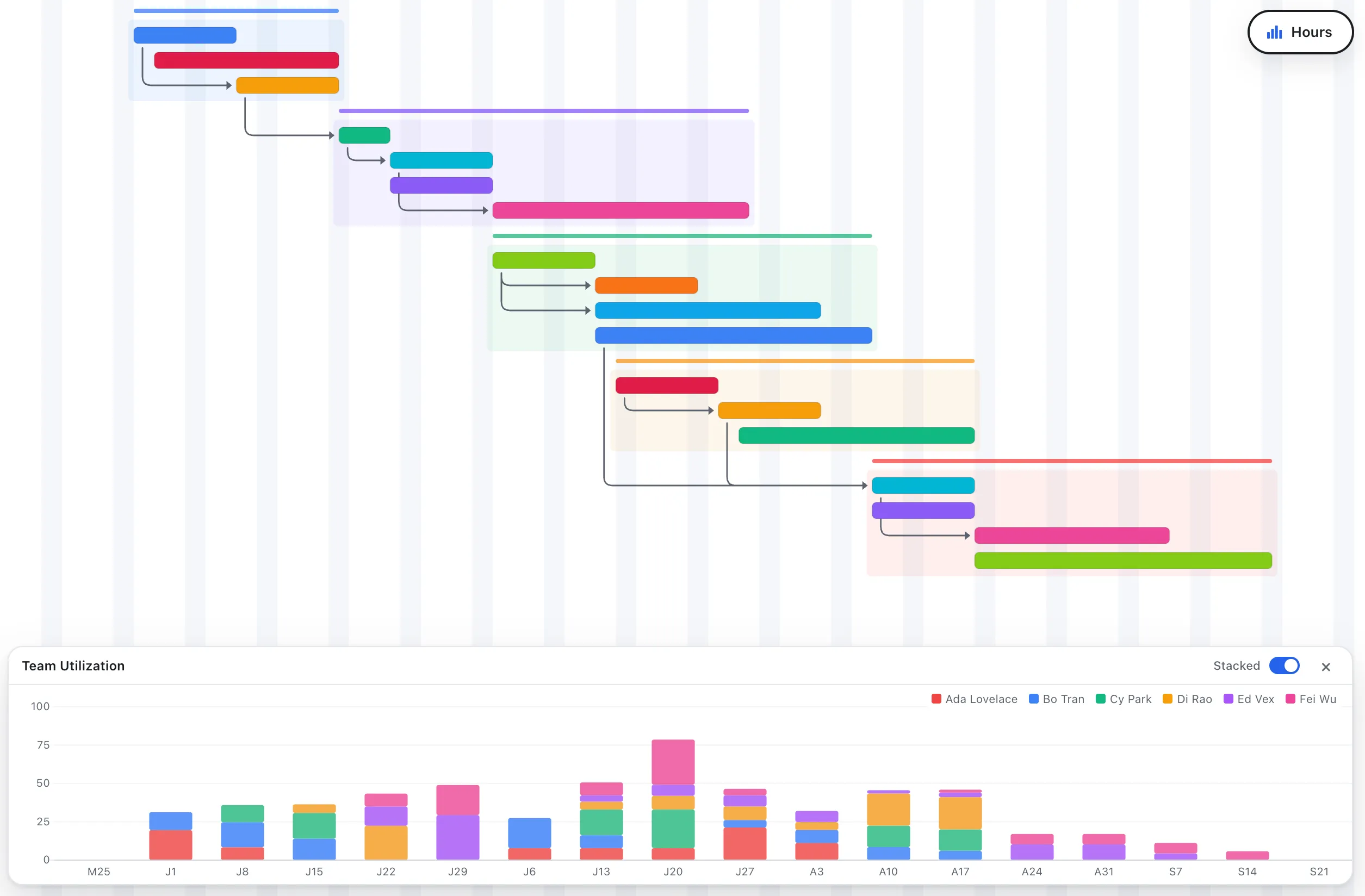
The point isn’t to abolish reporting, leadership still needs visibility. The point is that reporting should be a view of a live plan, generated for free, not a manual artifact someone rebuilds every week.
Make the plan the report
The practical move is to stop maintaining two things, a working plan and a status report, and maintain one. When a task moves, the dates shift, the dependencies follow, and the capacity chart updates in the same instant. Anyone who wants “the status” just opens the plan.
That’s how EverGantt is built: change one thing and the timeline, the board, and the team-utilization panel all update together, live, in the browser. The status meeting becomes “let’s look at the plan” instead of “let’s reconcile the reports.”
See it live, free in your browser. Related: team capacity planning for small studios · you’re short a single source of truth, not a tool.
Frequently asked questions
What does real-time project management actually mean?
It means the plan reflects reality continuously, so the project's state is just there whenever you look, instead of being gathered, reconciled, and published as a weekly snapshot that's already stale.
Why are weekly status reports a problem?
A status report is stale the moment it's finished. Decisions made in the gap between reports rely on week-old information, and resource signals arrive too late to course-correct.
How do you replace status reports with a live plan?
Maintain one plan instead of two artifacts. When a task moves, the dates, dependencies, and capacity chart update together, so 'the status' is just opening the plan, and reporting becomes a view rather than a manual deck.